

The Future of Interactive Retail


For years now, there have been obituaries written for brick-and-mortar retail. From the fall of Blockbuster and Toys“R”Us to the struggles of electronics giants and malls, it seemed that everyone believed these superstructures, once the purveyors of new and exciting products, would lie dormant and become fossils of an economy of the past.
However, despite increasing online competition and a 2-year worldwide shutdown, retail is still here.
Forward-thinking brands have succeeded, and retail strategies are evolving faster than ever.
For the most progressive brands, the store is no longer just a place to stock inventory; it’s becoming a stage for experience, story, and connection. We’re seeing this everywhere from Nike’s House of Innovation stores, where mobile apps unlock interactive product trials, to Sephora’s AI-powered skin analysis tools that deliver personalized recommendations instantly. The rise of “phygital” retail, where physical environments trigger digital experiences, is setting a new baseline. Technologies like sensors paired with personalized AI content enable things like object-based discovery where you can pick up a shoe, and an interactive display tells you its origin story, materials, and community reviews.
But the next leap goes beyond storytelling into cultural activation.
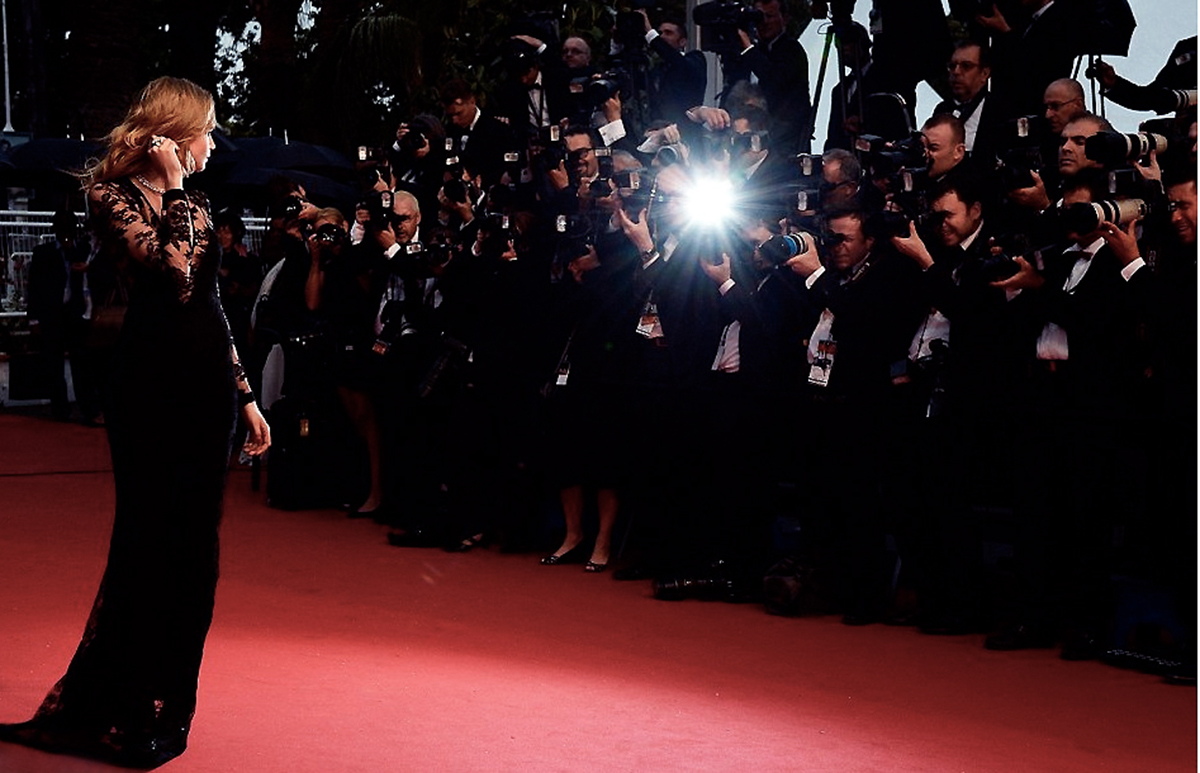
Imagine a clothing brand hosting an online watch party for “Breakfast at Tiffany’s.” After the event, participants receive a VIP invitation to an after-hours experience at the flagship store. When they arrive, there’s a red carpet lined with paparazzi, real artifacts and wardrobe pieces from the film displayed in glass cases, and curated clothing collections inspired by Audrey Hepburn’s iconic looks. Guests can try on pieces, pose for Instagram-ready paparazzi shots, and shop exclusive items on-site or order them for home delivery. The event becomes more than a shopping trip.
It becomes a shared cultural moment, a community experience, and a personalized journey that combines digital engagement, physical space, and emotional connection.
This is where loyalty is heading. Consumers aren’t just choosing products anymore. They’re choosing brands that create belonging.
Patagonia thrives because sustainability isn’t a tagline; it’s woven into the entire journey. Starbucks’ app-to-store ecosystem keeps customers engaged long after their lattes, seamlessly connecting the digital and physical worlds. But the opportunity now is bigger. The goal is to curate spaces and experiences that spark meaning, build communities, and extend into customers’ digital lives.
“Retail’s next leap isn’t about selling products. It’s about staging cultural moments that weave community, story, and belonging into the shopping journey.”
The retailers winning today measure engagement per square foot, not just transactions, designing spaces that function as extensions of identity, culture, and story.
And yet, here’s the untapped opportunity.
We’re still seeing most brands deploy these tools in fragments. Phygital touchpoints here, personalization there, a cultural activation here and there. No one has fully unified AI-powered personalization, object-based discovery, immersive events, community-building and values-driven loyalty into one holistic ecosystem.
The brand that does it first, the one that makes retail feel like stepping into a living, breathing world, won’t just lead the market. They’ll set the cultural standard for what shopping means next.



More Stories Like This

Strange Re-Tales: Leadership Lessons

It’s important to have role models. And not just good role models, like most people say. I think you should have both: people you aspire to be like and people you never want to be like. I’ll defend my position on that another time. Today, I want to talk about good role models and the […]
Hearing Isn’t the Same as Understanding

There’s an old aphorism — and readers know how much I love those — that goes: If you want to be heard, you must make yourself be understood. A big part of my job is communication: I need to clearly communicate with my dealers, and occasionally with their end-user customers. My workday involves relaying deadlines, […]

LAVNCH [CODE]’s 2024 Out of This World Experiences Awards Finalists

Finalists for LAVNCH [CODE]’s 3rd Annual Out of This World Experiences Awards (OoTWEA) have been chosen and it’s time for you, our readers, to choose the winners. Click here to vote for your three favorite installations. The three installations with the most votes will be crowned the winners with two installations being named runners-up. The winning […]